Reflections from the STEP Zurich Roundtable
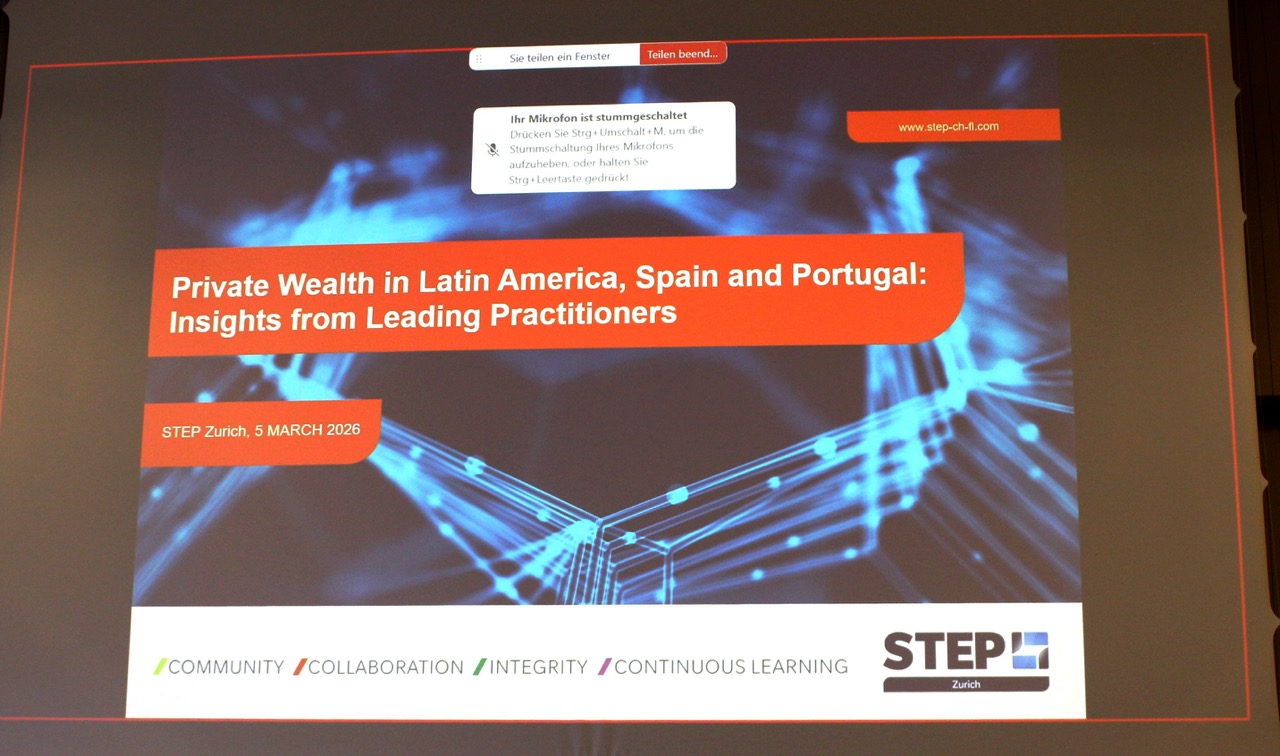
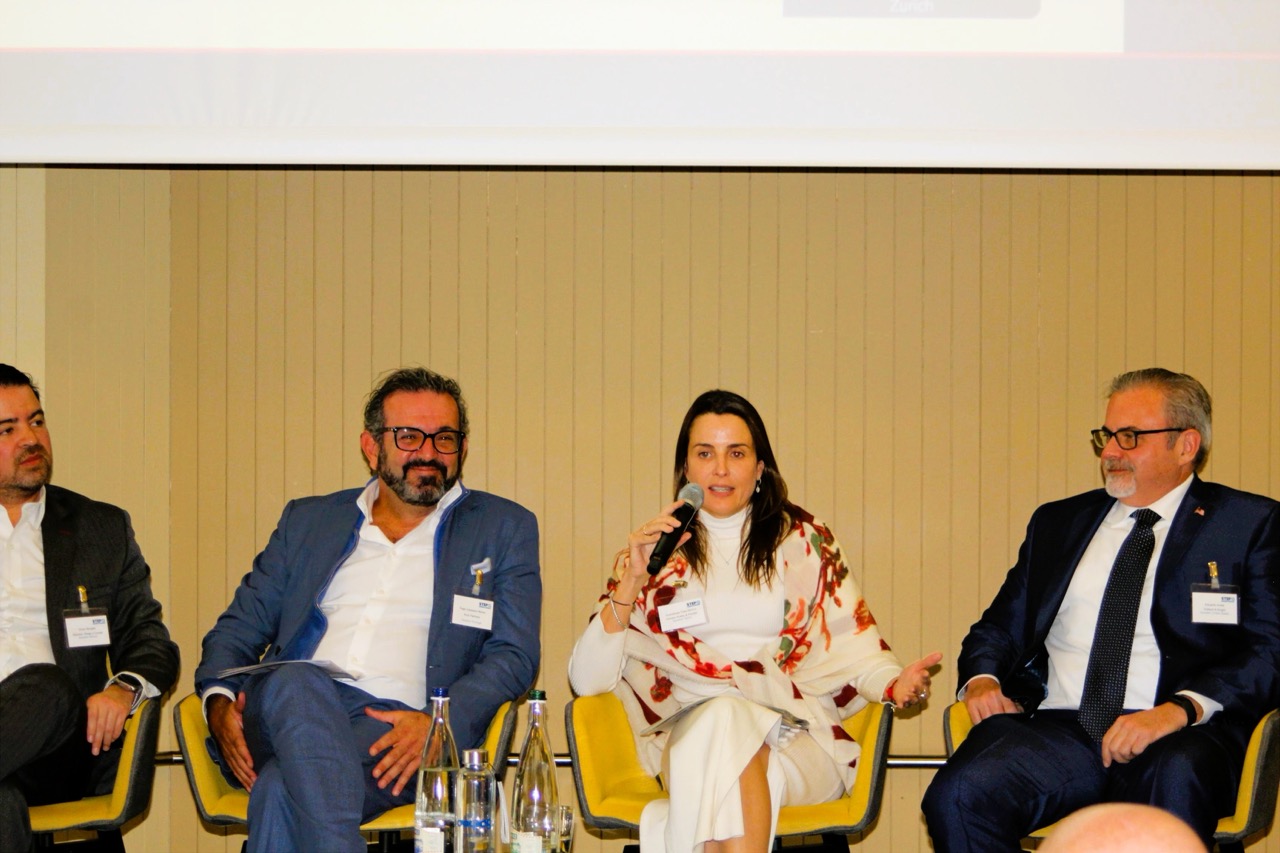
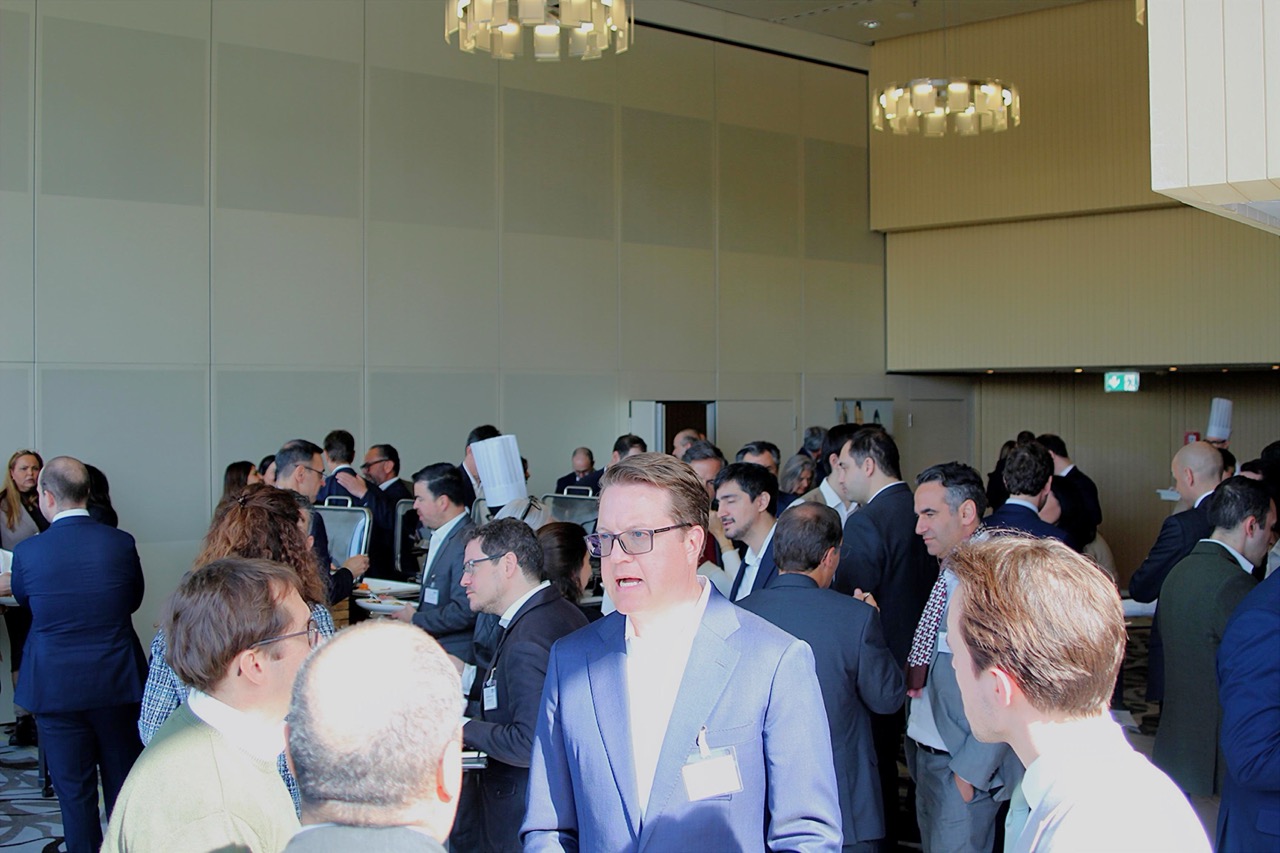
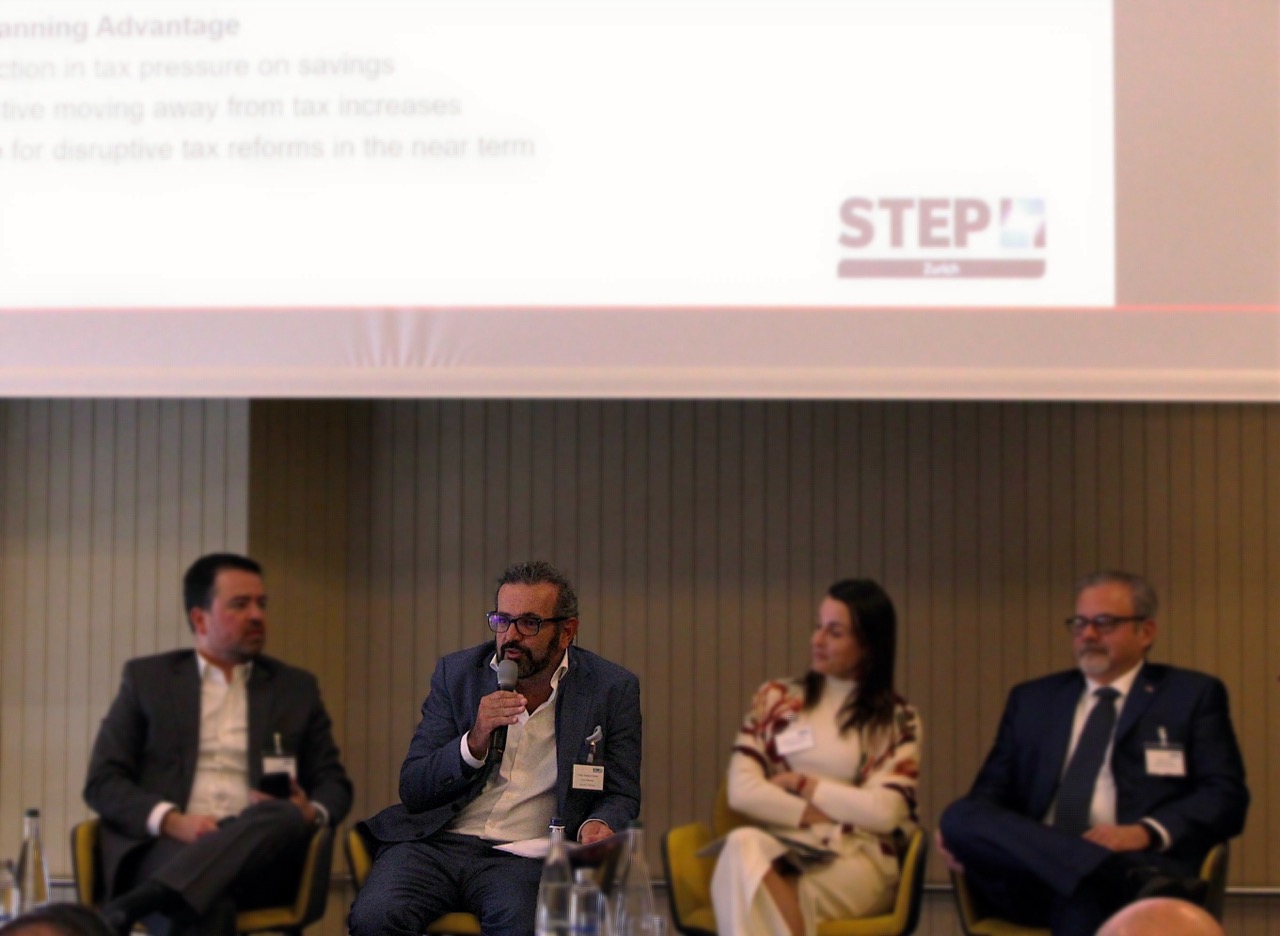
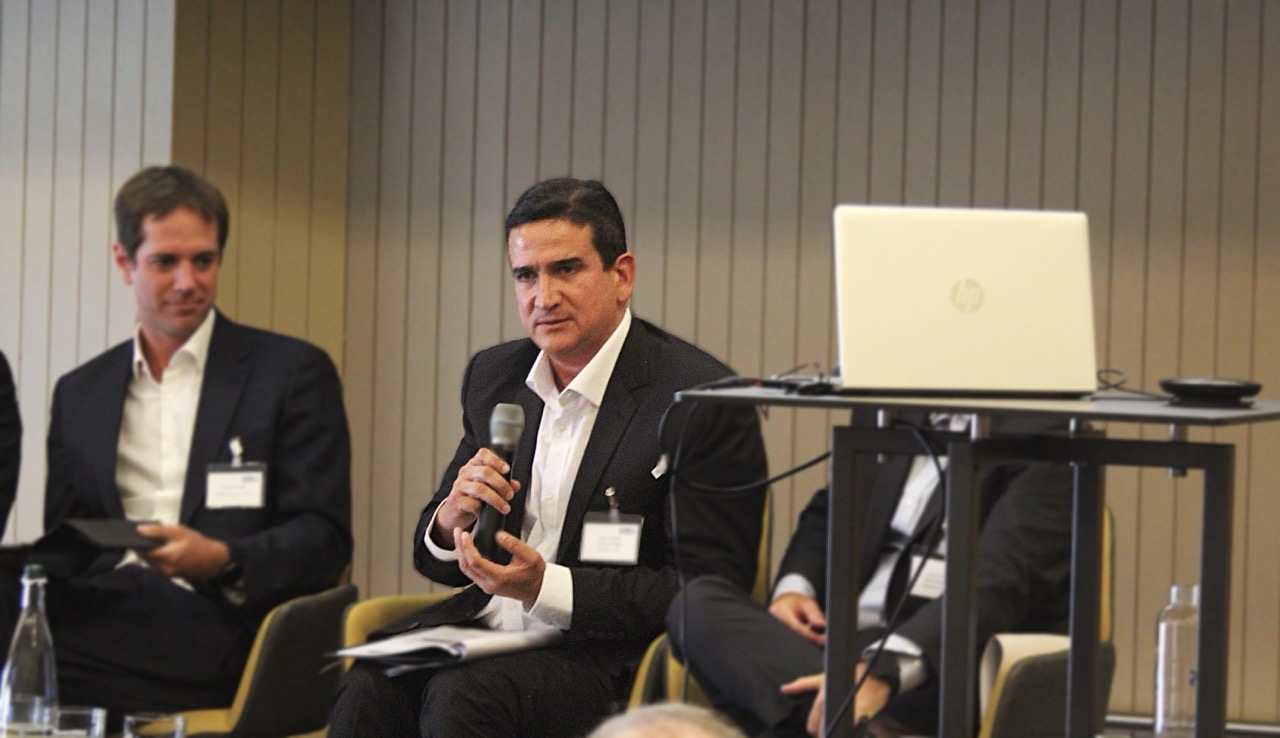
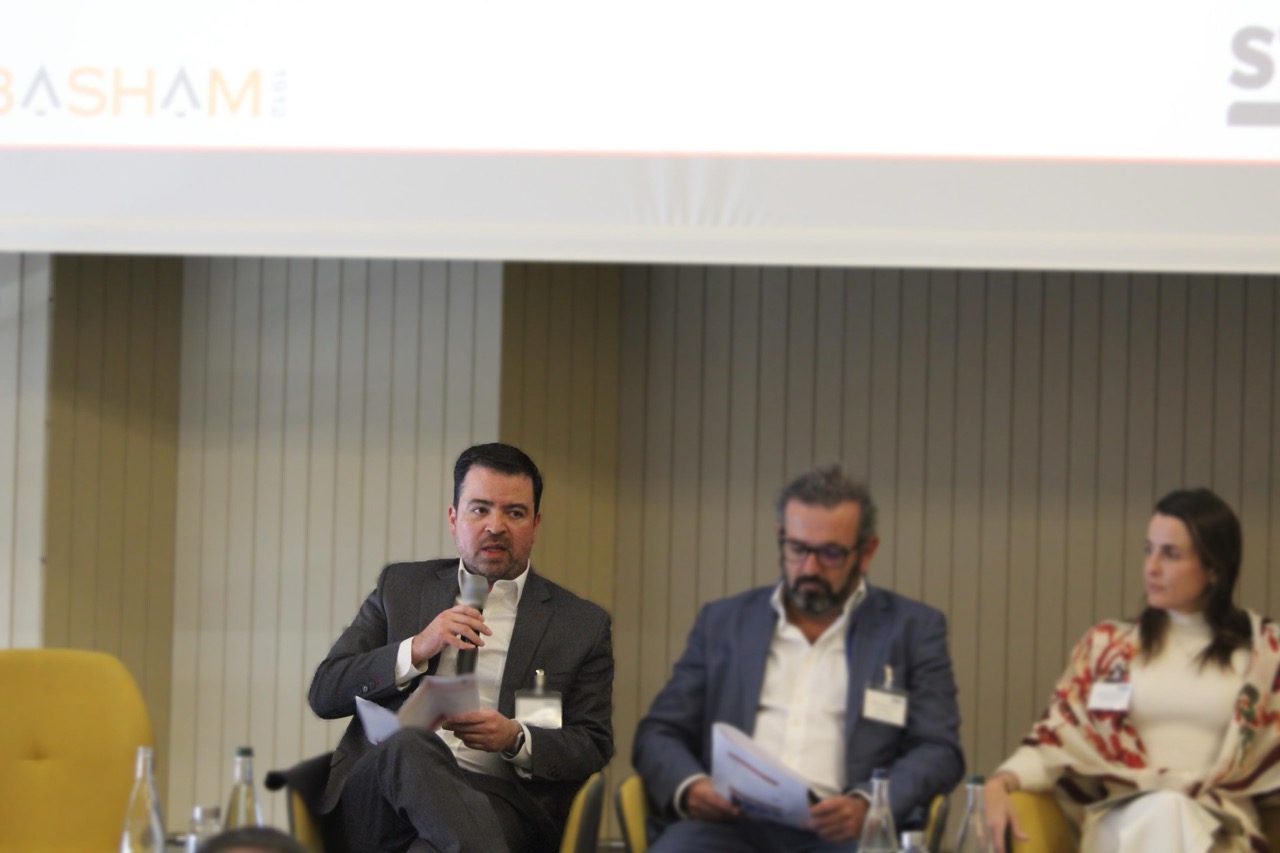
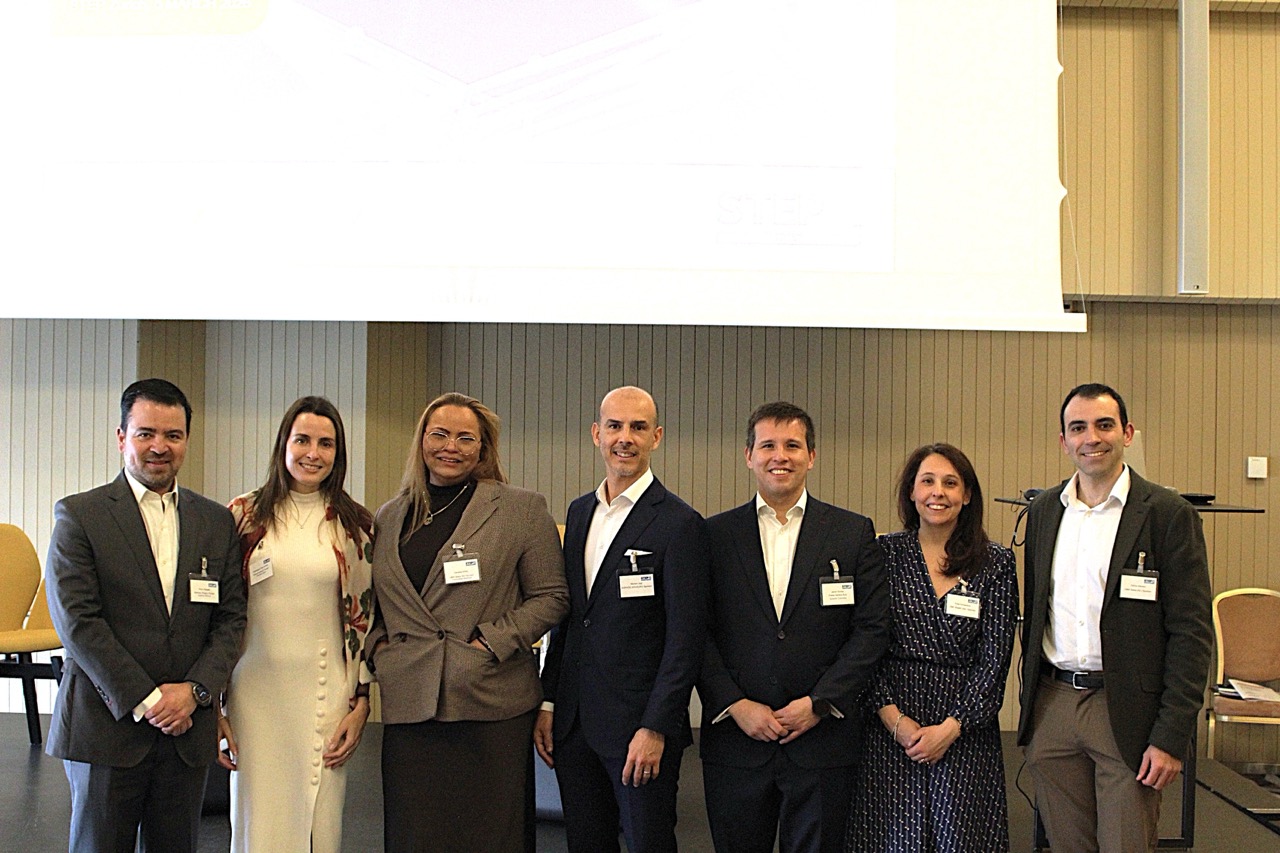
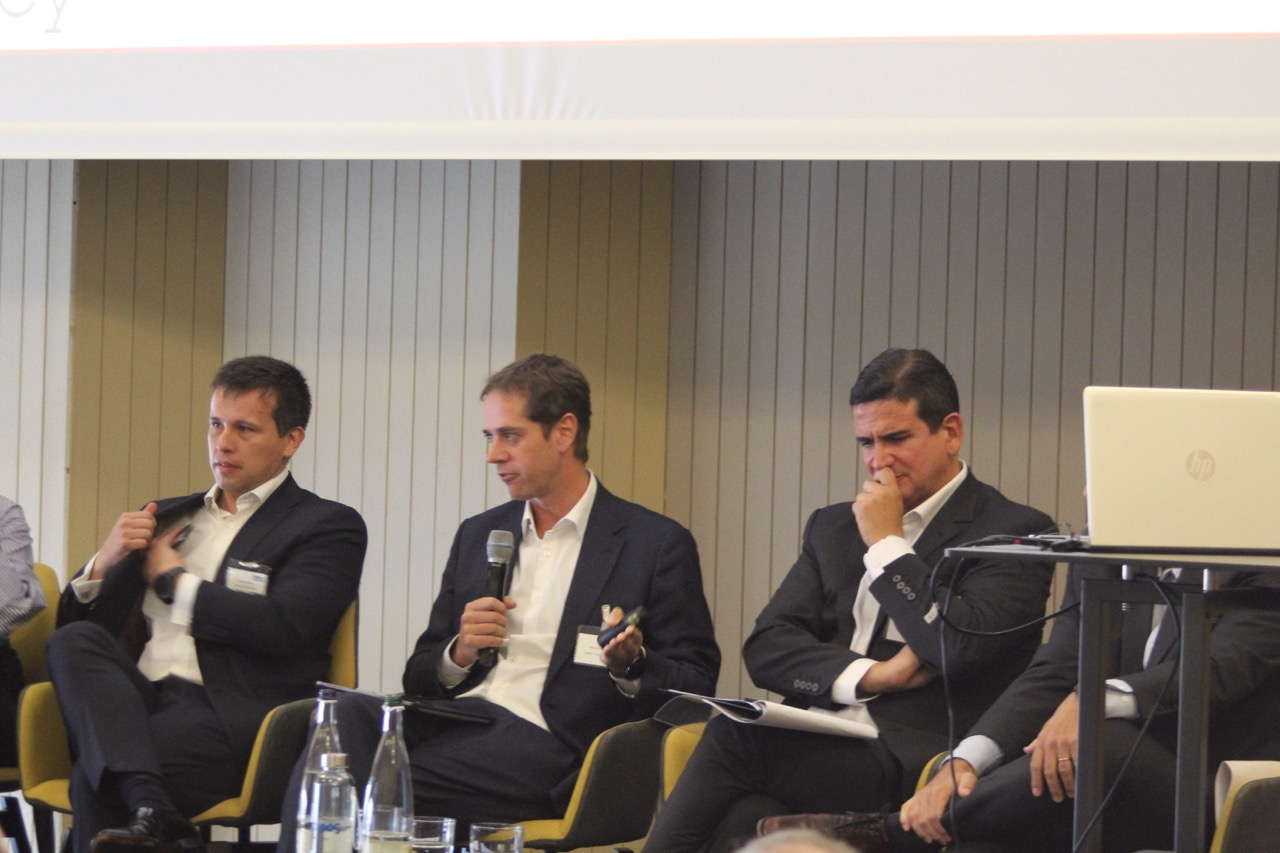
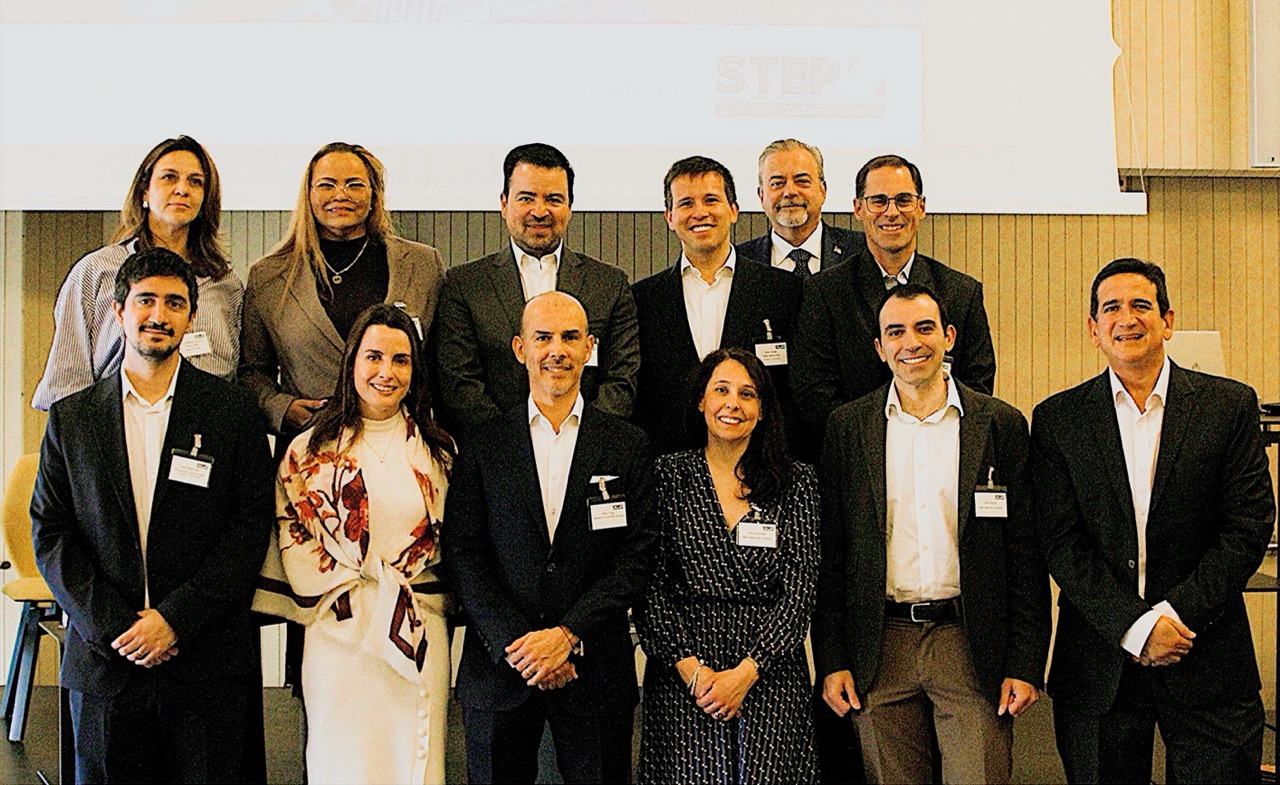
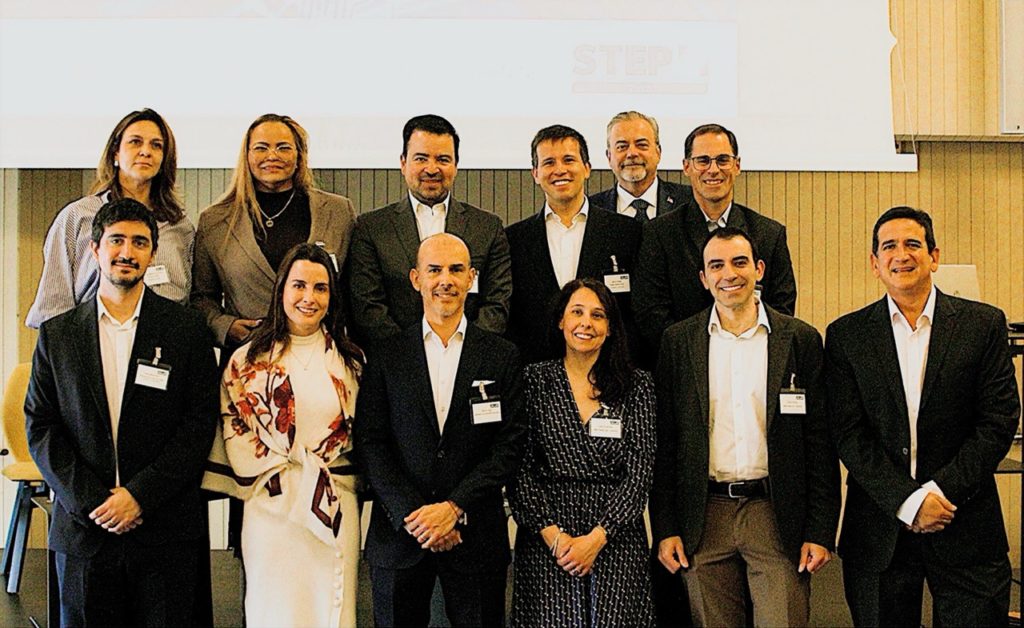
On 4 March 2026, STEP Zurich convened a practitioner roundtable dedicated to “Private Wealth in Latin America, Spain and Portugal.” The session brought together leading advisors from across Latin America, Iberia and the United States to exchange practical insights into the evolving landscape of cross-border private wealth.
Organised under the auspices of STEP Zurich, the discussion was intentionally structured as a concise practitioner forum rather than a traditional conference panel. Each jurisdiction was invited to address two questions: first, what legal or policy developments are currently shaping the private wealth environment; and second, how internationally active families are responding in practice from a structuring and succession planning perspective.
The roundtable was proudly sponsored by UMA Wealth Group and Sophos Advisors Group, two organisations with long-standing engagement in Latin American private wealth matters and cross-border advisory work. Both firms remain committed to supporting dialogue among practitioners and to fostering high professional standards within the international fiduciary and advisory community.
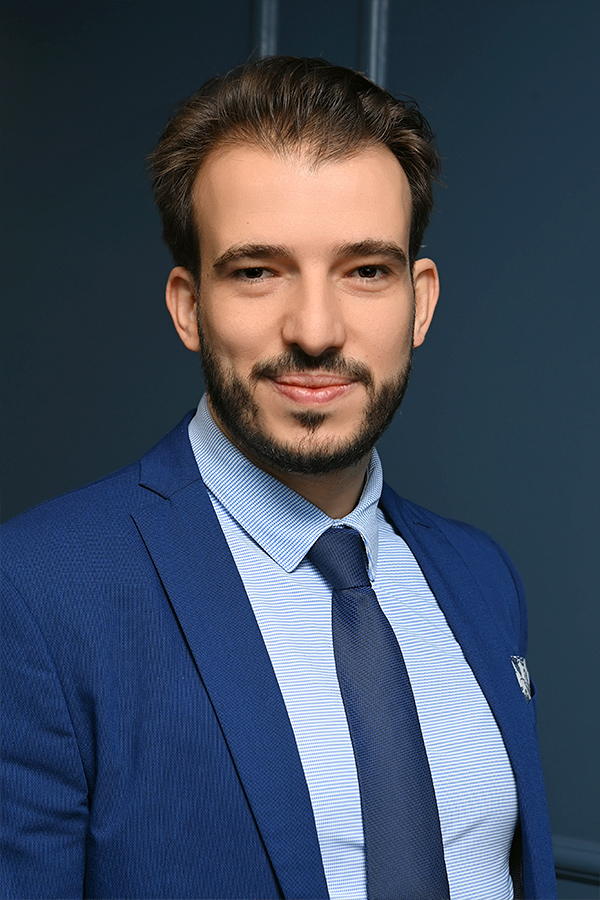
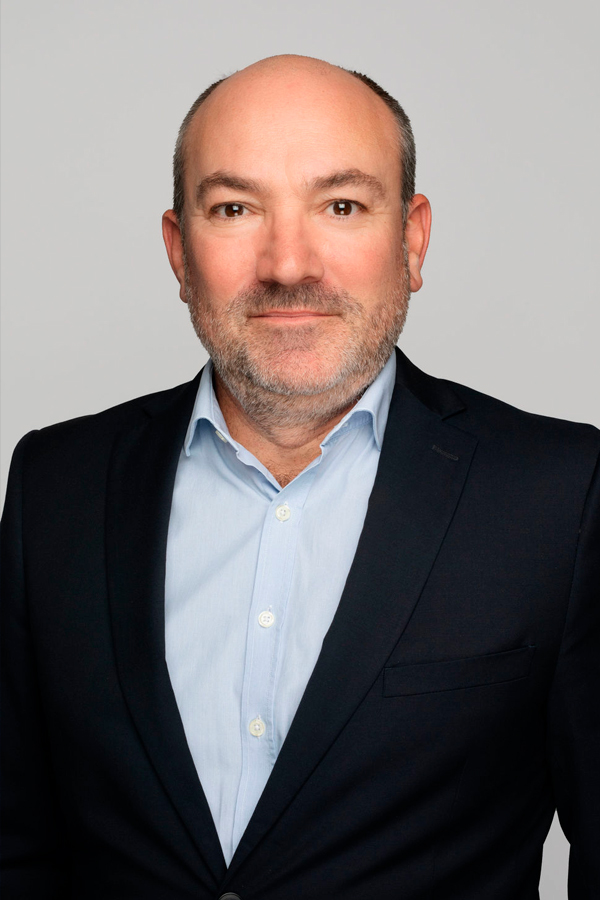
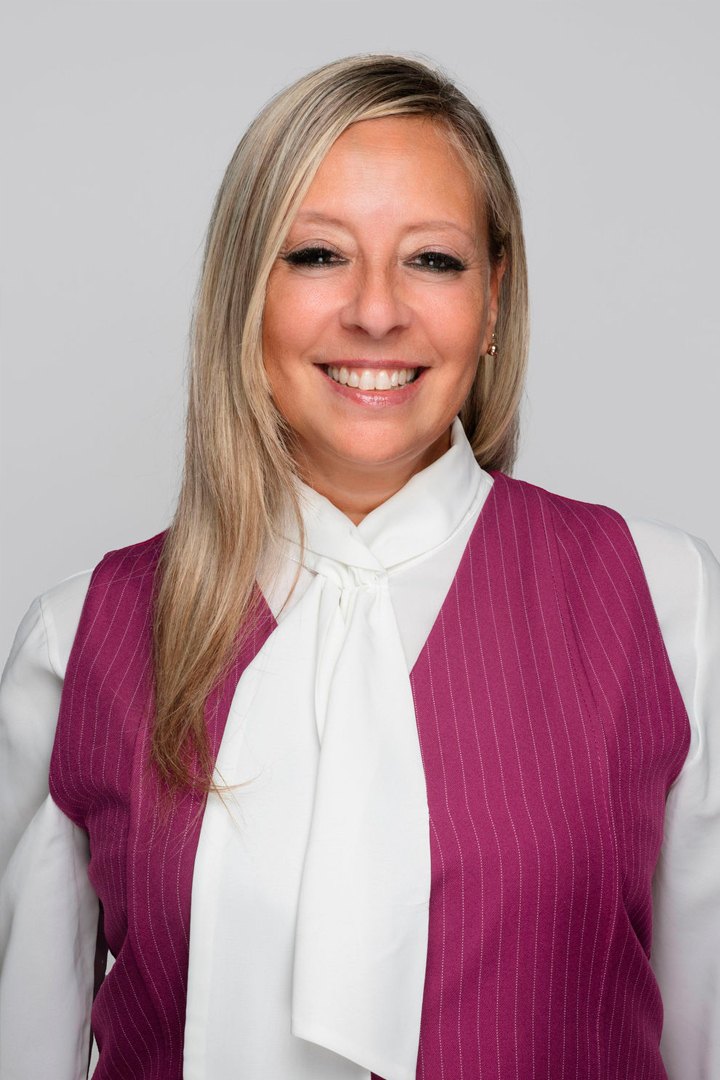
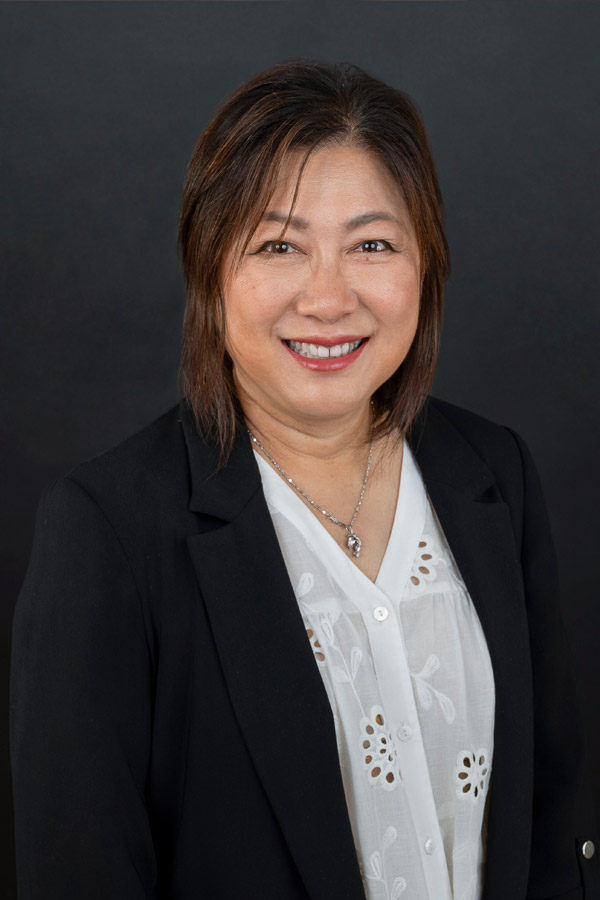
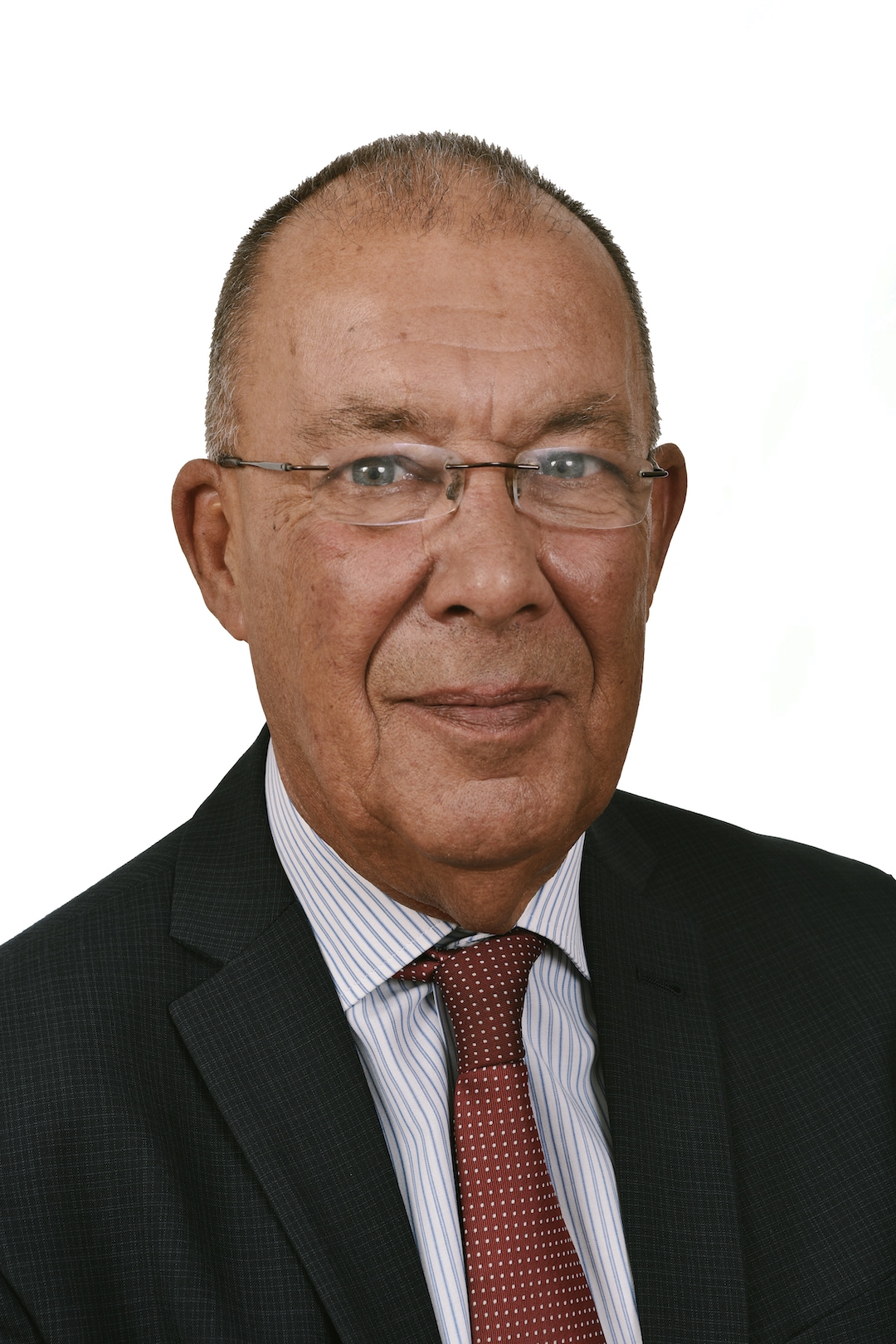
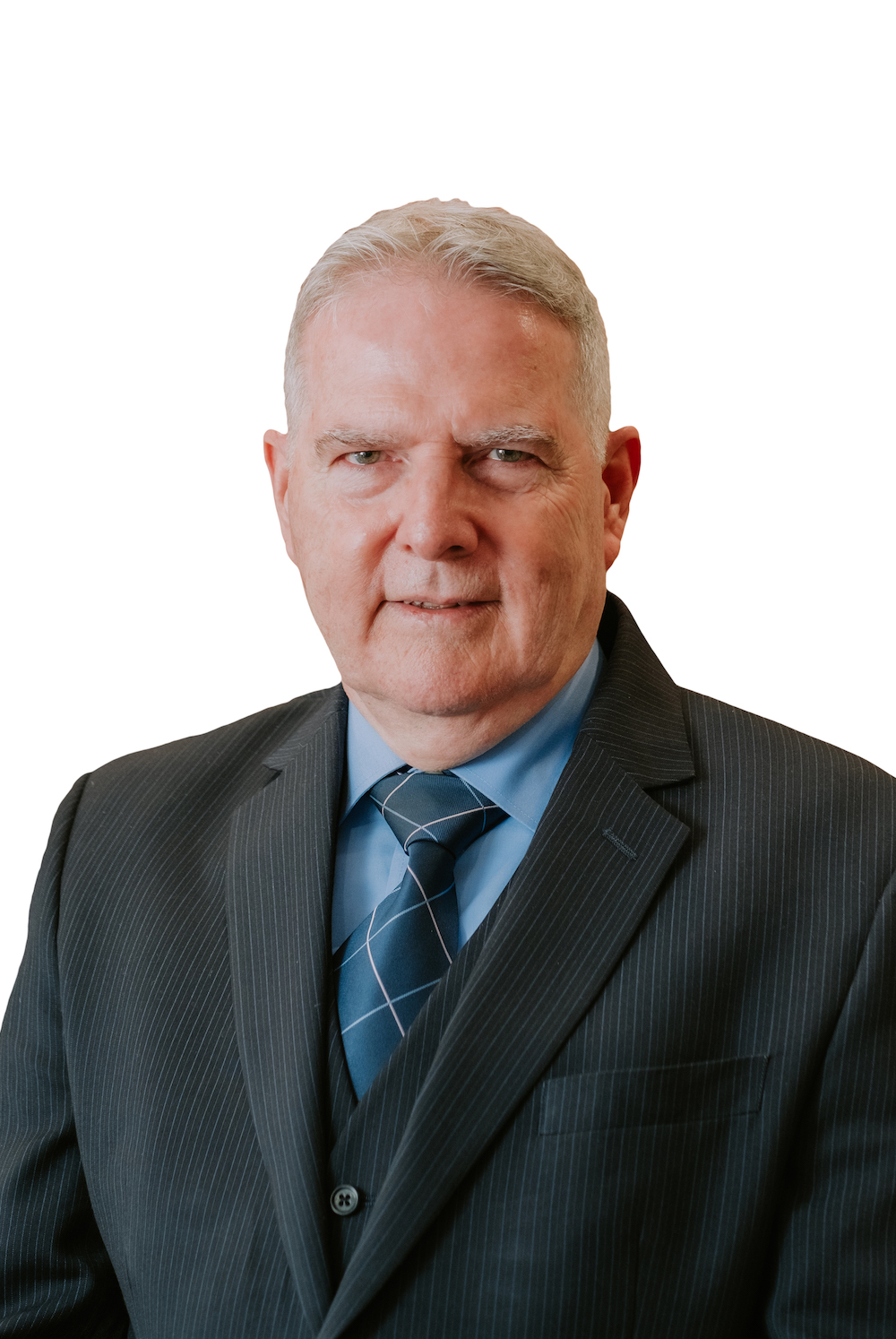
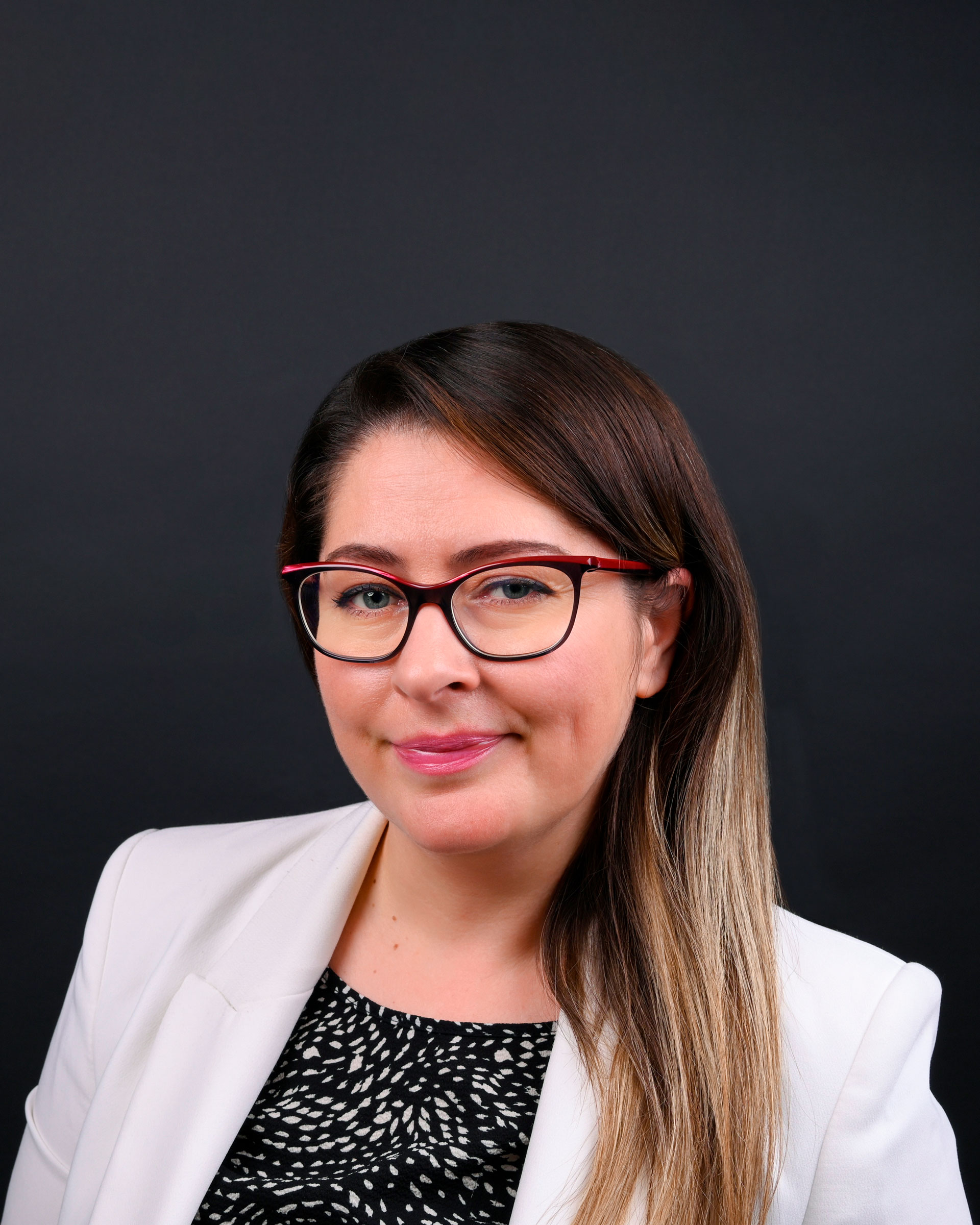
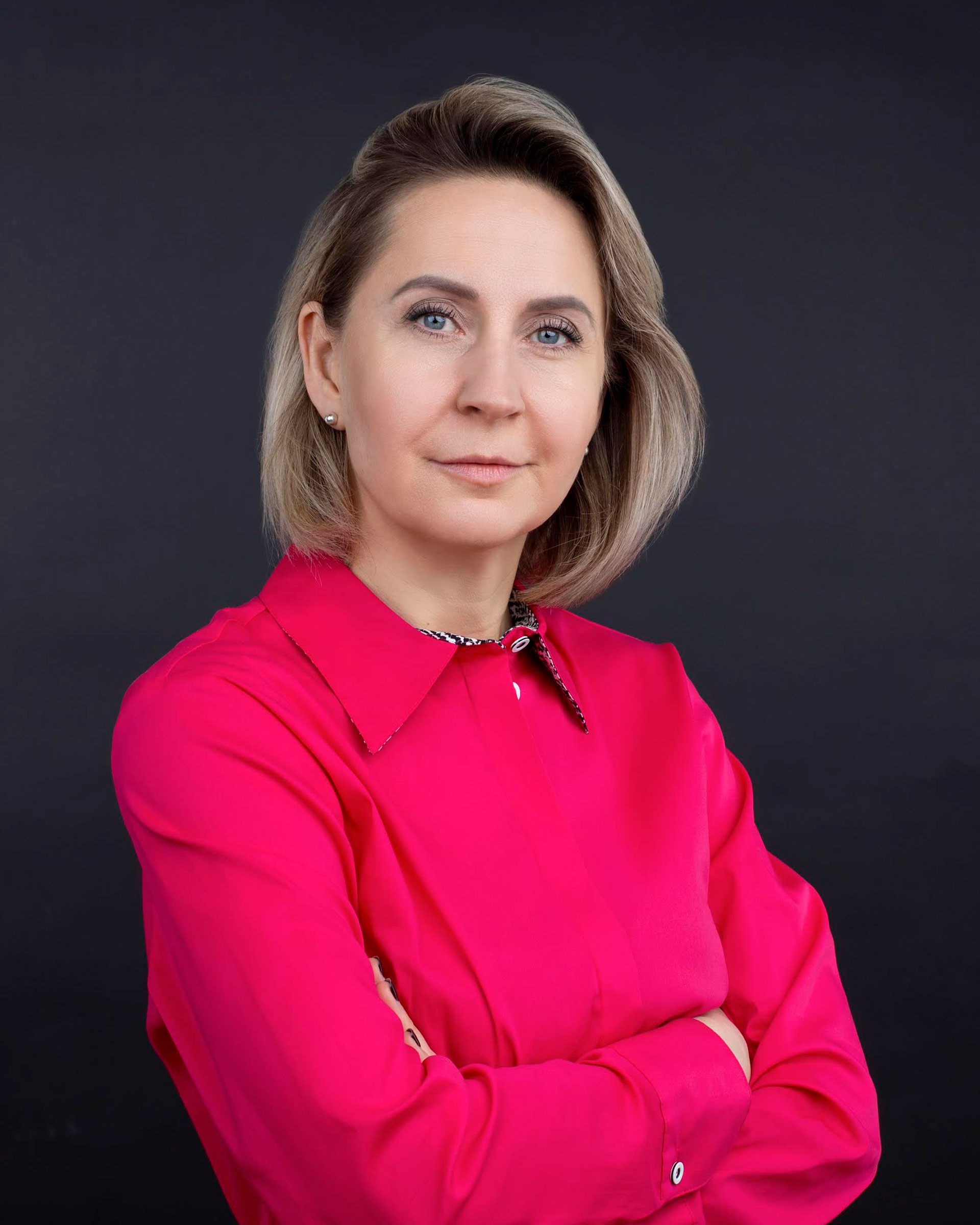
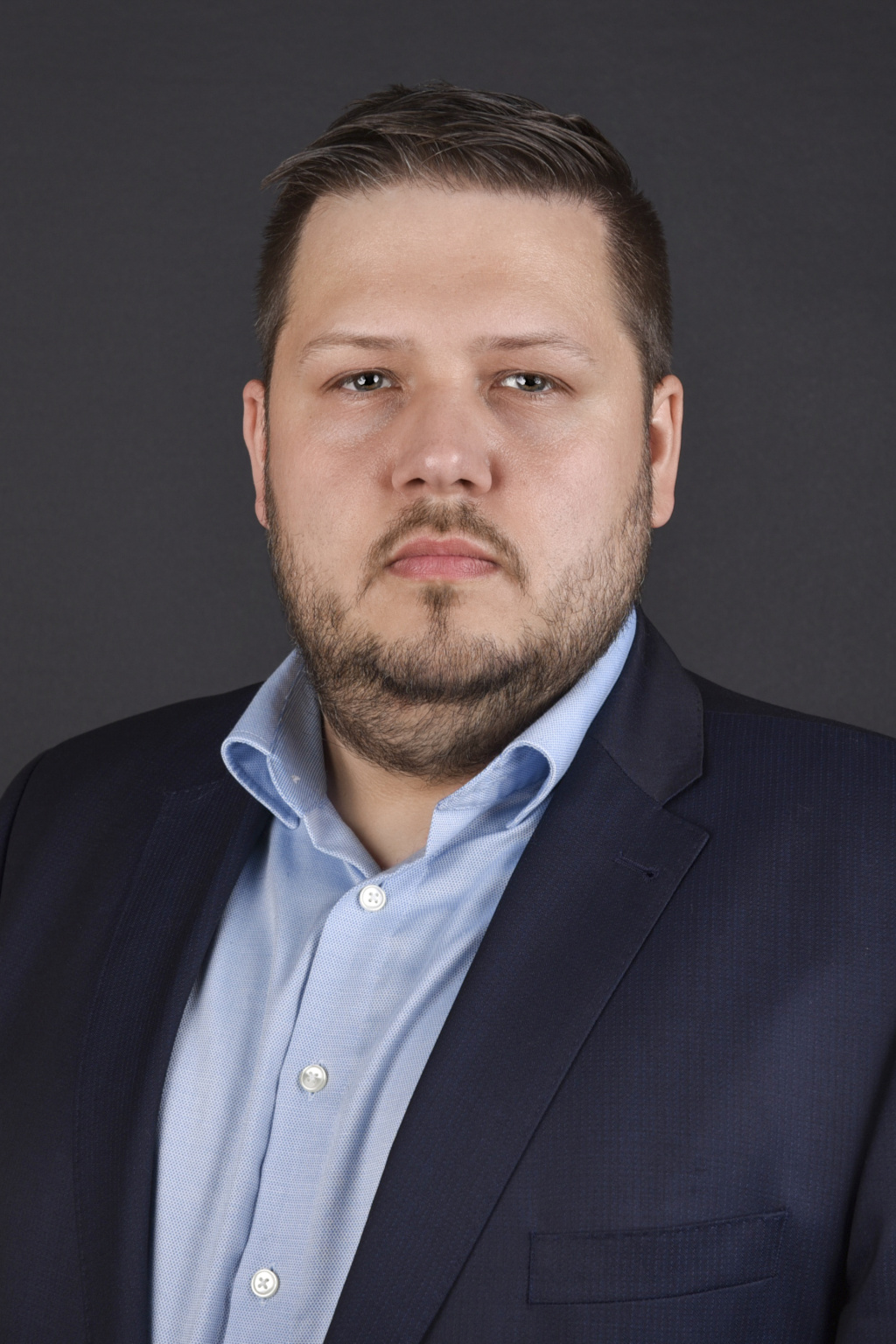
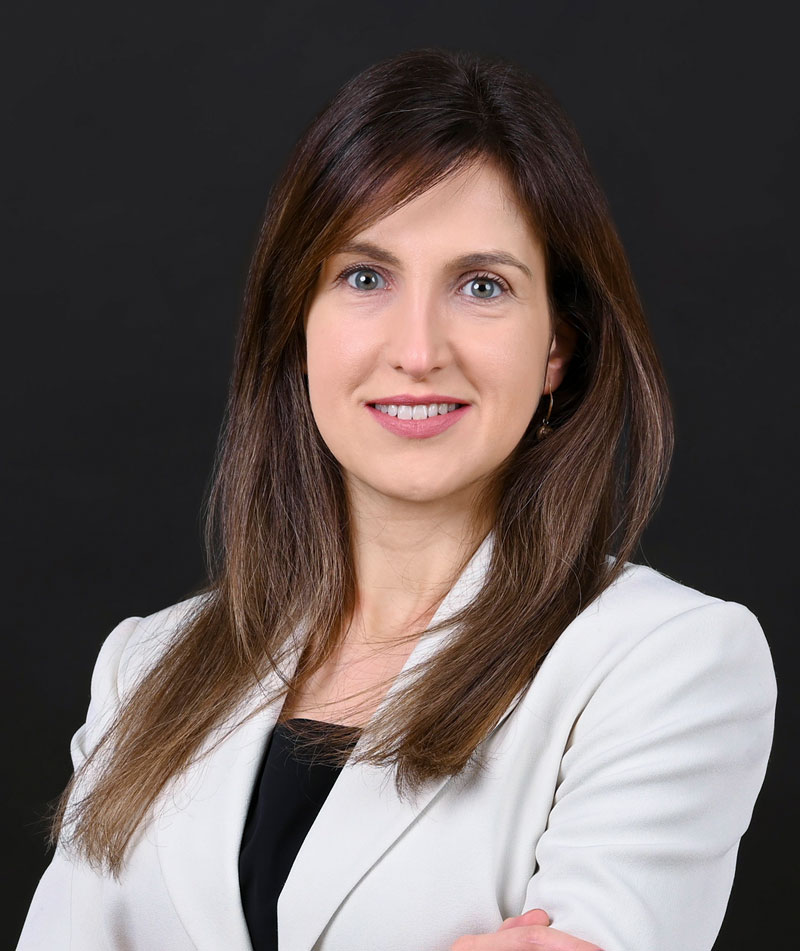
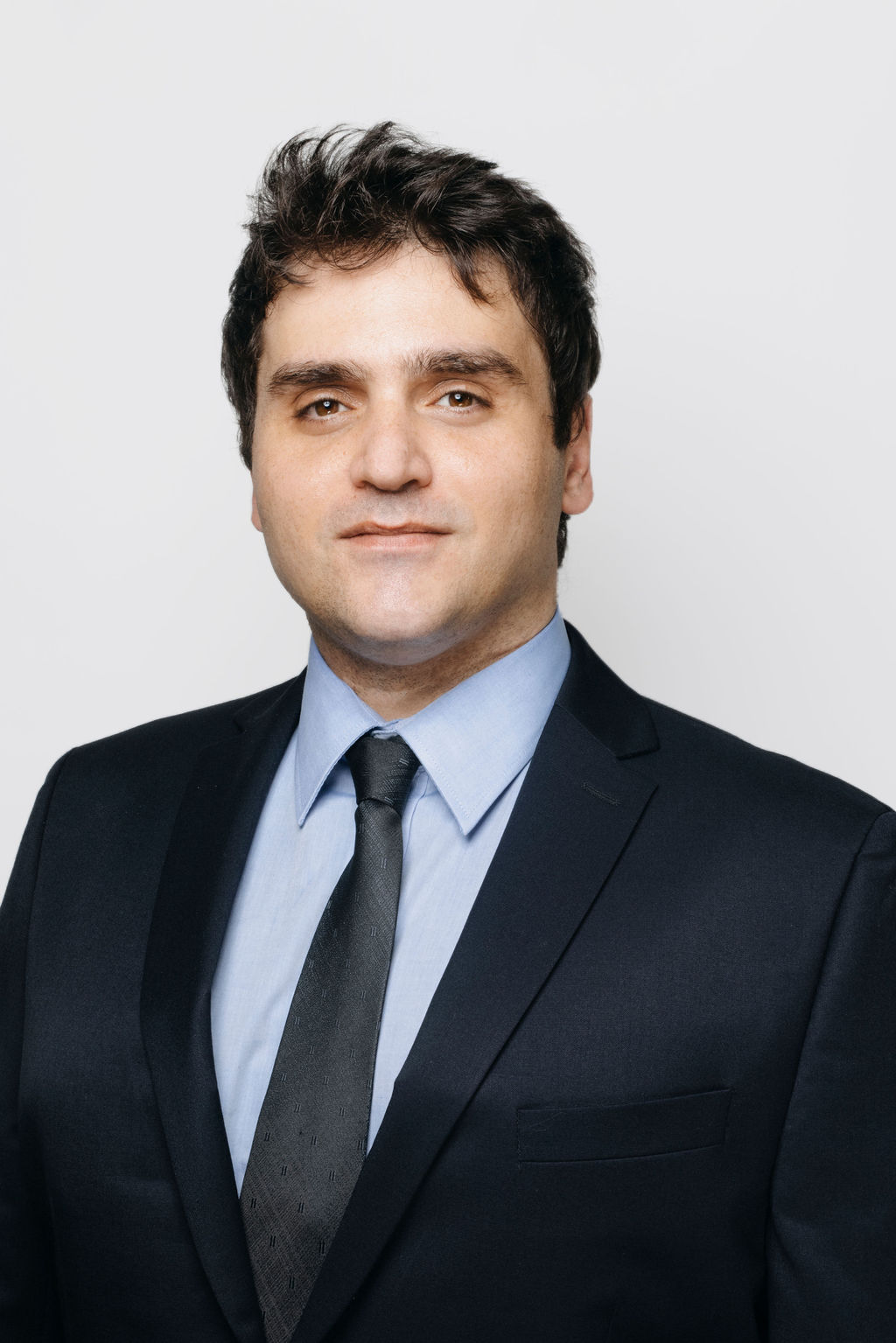
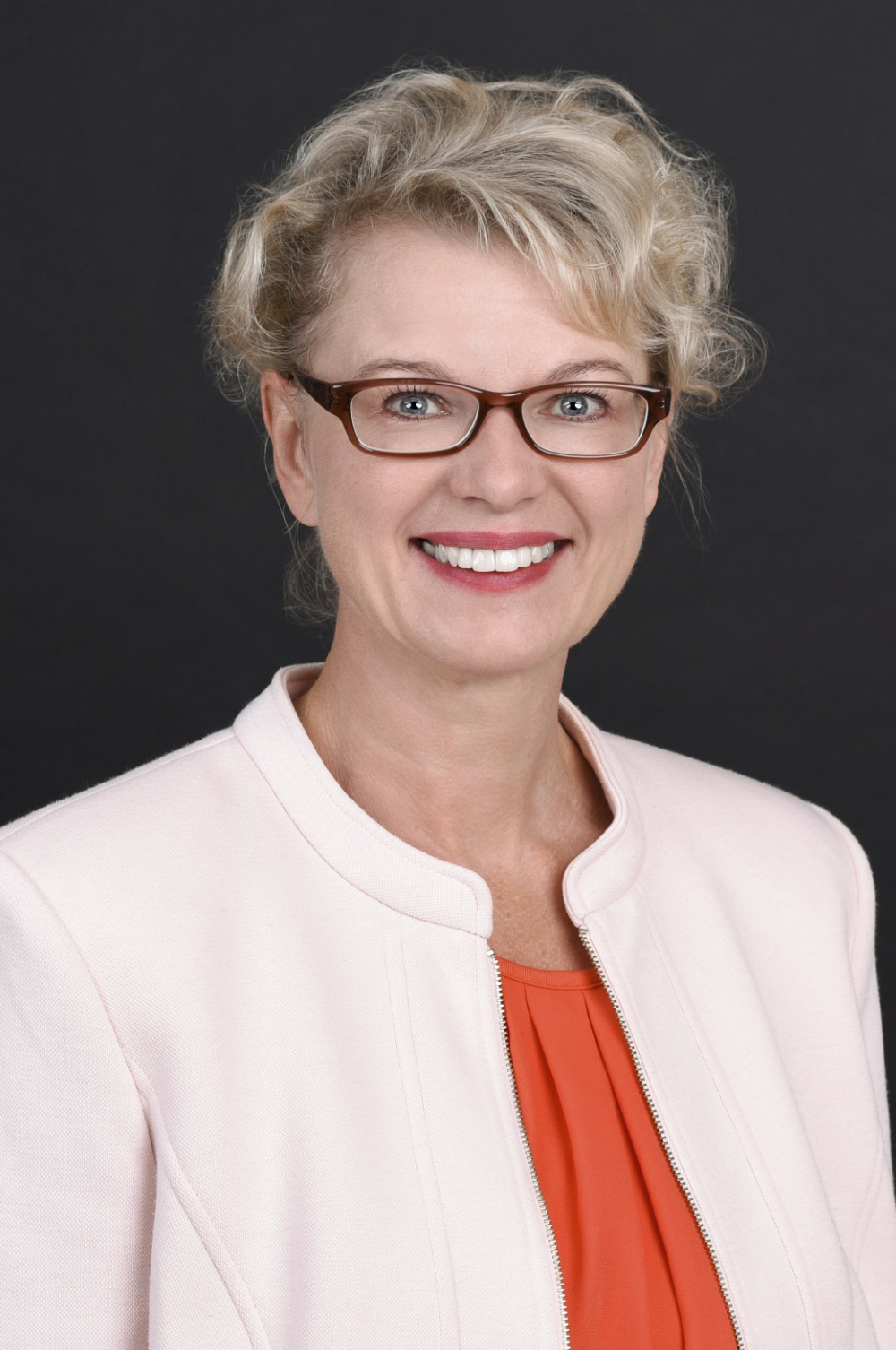
Speakers
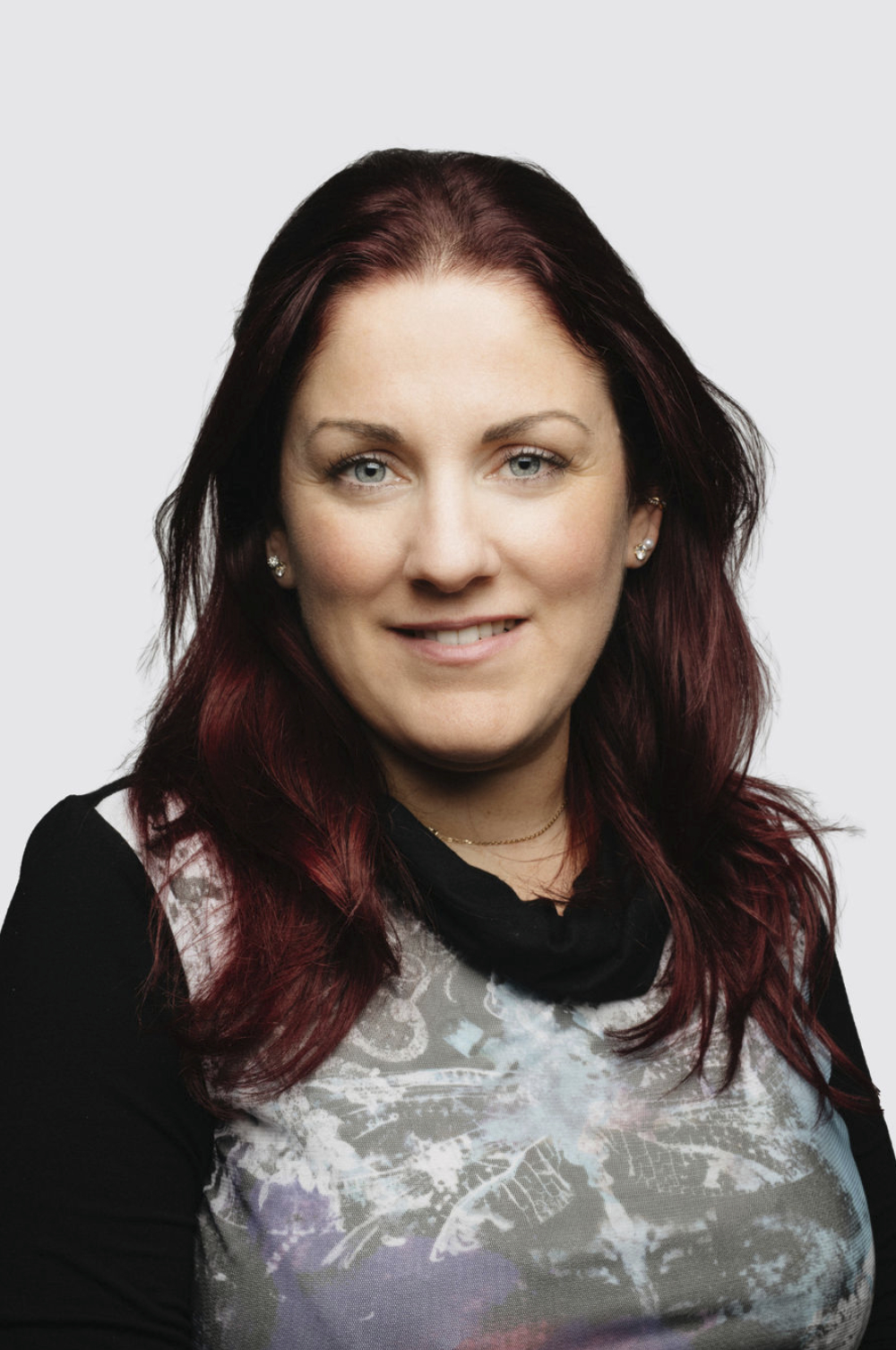
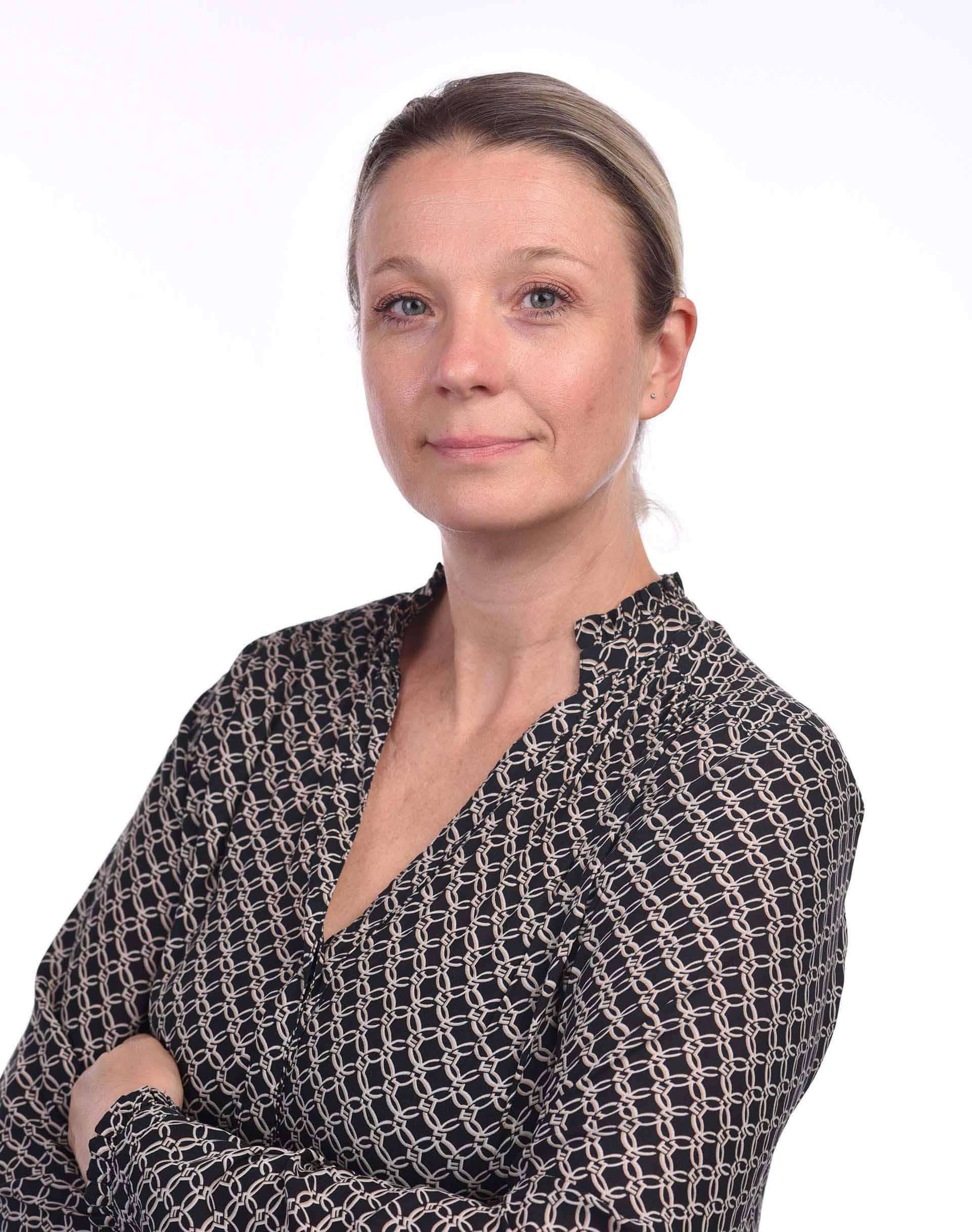
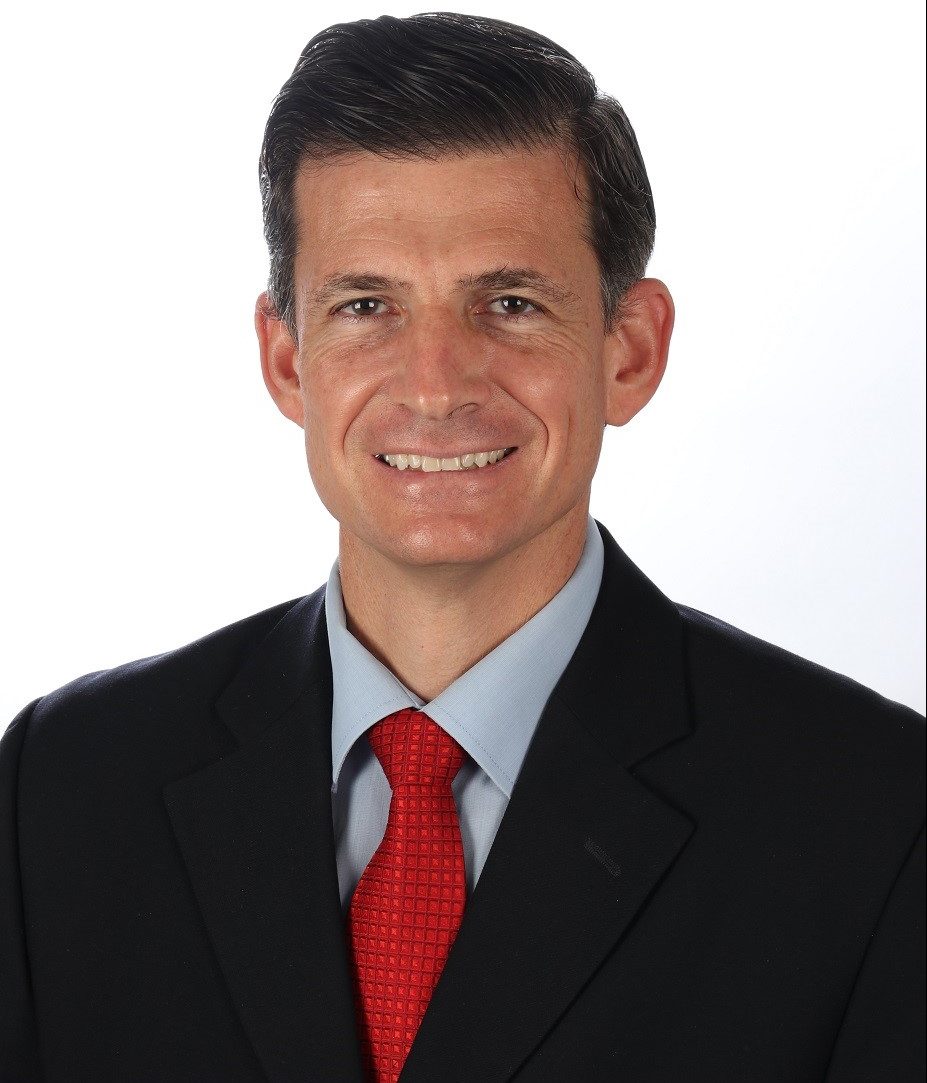
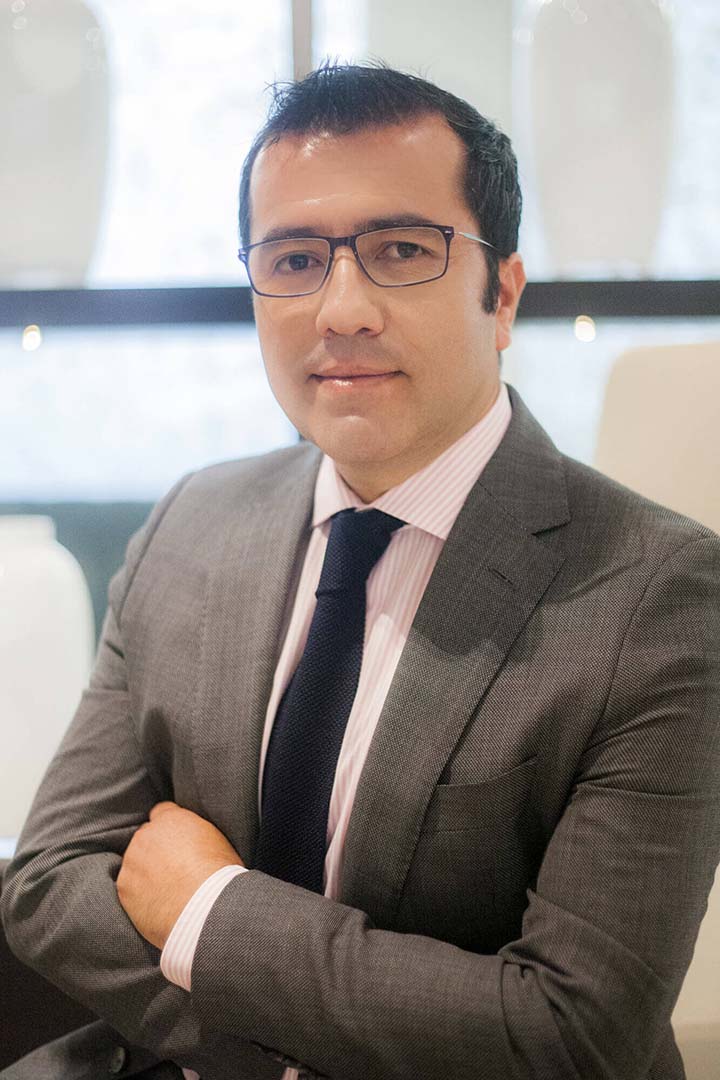
The discussion benefited from contributions by practitioners representing key jurisdictions across the region:
- Pablo Muro, Bruchou & Funes de Rioja (Argentina)
- Priscila Mariano da Silva, Pinheiro Neto (Brazil)
- Jaime Gómez, Posse Herrera Ruiz (Colombia)
- Manuel Alcalde, Carey (Chile)
- José Chiarella, Estudio Rodrigo (Peru)
- Javier Otegui, Guyer & Regules (Uruguay)
- Víctor Barajas, Basham, Ringe y Correa (Mexico)
- Tiago Cassiano Neves, Kore Partners (Portugal)
- Guadalupe Díaz-Súnico, Gómez-Acebo & Pombo (Spain)
- Eduardo Arista, Holland & Knight (United States)
Taken together, the contributions offered a valuable comparative overview of how different jurisdictions are navigating regulatory change, international mobility and evolving approaches to succession planning.
Latin America: Convergence and Divergence
One of the most striking aspects of the discussion was the degree of convergence across Latin American jurisdictions, despite their diverse legal and tax systems.
Across the region, practitioners consistently referred to a shared trajectory: stronger enforcement, greater transparency requirements and increased scrutiny regarding beneficial ownership and the governance of cross-border structures. As one participant observed during the discussion, structures are increasingly expected to demonstrate a clear governance rationale and economic substance, rather than existing merely as technical arrangements.
In practical terms, families appear to be responding in three main ways. First, there is a renewed focus on residence planning, particularly where family members and businesses operate across multiple jurisdictions. Secondly, reporting obligations are being analysed earlier in the structuring process, reflecting the growing reach of international information exchange frameworks. Thirdly, succession planning is increasingly approached as a long-term governance project, rather than a document prepared at the final stage of a family transition.
At the same time, the regional discussions highlighted important differences between jurisdictions.
In Argentina, recent economic reforms and regulatory developments have revived interest in international investments and asset structuring. Practitioners noted that families continue to rely on established vehicles — including trusts and investment structures — to organise foreign assets and facilitate orderly succession planning.
Brazil remains one of the most influential jurisdictions in regional planning due to the breadth of its tax legislation and the scale of its domestic economy. Advisors described a period of active reassessment of international holding structures as families evaluate how recent legislative developments may affect long-term ownership and succession strategies.
In Colombia, discussions focused on the interaction between worldwide taxation, wealth-related measures and the civil-law succession framework. Advisors observed that many families continue to organise assets through international vehicles — such as foundations, trusts or insurance solutions — in order to facilitate cross-border estate planning while respecting domestic legal requirements.
The situation in Chile illustrates another regional nuance. While traditional common-law trust structures are less widely used, families frequently rely on wills, lifetime transfers and corporate investment vehicles. At the same time, practitioners noted a growing interest in insurance-based wealth planning solutions.
In Peru, the absence of inheritance and gift taxes creates a distinct planning landscape, although rigid civil-law succession rules often encourage families to organise assets through external structures that allow greater flexibility in governance and family decision-making.
Finally, Uruguay continues to attract attention as a jurisdiction offering stability and an appealing residency framework for internationally mobile families. However, recent reforms expanding the taxation of foreign income have prompted advisors to emphasise careful planning and a clear understanding of long-term residency implications.
Taken together, the Latin American discussions illustrated a broader pattern: international structures remain widely used, but they are increasingly designed with greater attention to governance, transparency and generational continuity.
Spain: The Importance of Pre-Immigration Planning
The Spanish perspective highlighted the importance of structuring before a relocation occurs.
Spain continues to attract internationally mobile professionals and entrepreneurs through inbound tax regimes designed for individuals relocating to the country. However, practitioners emphasised that the effectiveness of such regimes depends heavily on the timing and integrity of the underlying structure.
As one speaker noted during the discussion, successful planning for Spain is rarely improvised once residency has begun; rather, it typically reflects careful structuring undertaken prior to arrival.
Another recurring theme concerned the interaction between trust structures and Spanish tax rules. Because Spanish law approaches trusts differently from common-law jurisdictions, careful planning is often required to ensure that cross-border succession arrangements operate as intended.
Encouragingly, developments in several Spanish regions have also led to significant reductions in inheritance and gift taxation for close family members, contributing to a gradually more favourable succession environment.
Portugal: Stability and Succession Planning
Portugal was frequently described during the session as a jurisdiction valued for its predictability and legal stability.
Although the well-known Non-Habitual Resident regime has evolved in recent years, Portugal continues to attract internationally mobile families through a legal environment that supports long-term succession planning.
Practitioners highlighted several characteristics often cited by international families: the absence of a general wealth tax, the favourable treatment of discretionary trust structures, and the absence of inheritance tax in many family situations.
One participant summarised the current trend succinctly: while earlier relocation decisions were often driven by income taxation considerations, families are now increasingly choosing jurisdictions with a view to long-term succession planning and governance continuity.
Within this context, the use of life-insurance-based investment solutions has expanded considerably. These structures can provide an integrated framework for investment management, succession planning and family governance — particularly when families transition between different residency regimes.
The United States: Taxation and Reporting
The discussion concluded with the perspective from the United States, where planning involving U.S. persons requires particular attention due to the interaction of taxation and reporting obligations.
Practitioners highlighted that U.S. exposure often combines three distinct elements simultaneously: transfer-tax considerations, extensive reporting requirements and complex interactions with foreign structures.
Recent developments concerning transfers from certain expatriates to U.S. beneficiaries were also discussed, illustrating how international family structures may be affected many years after they are established.
As one participant observed, when U.S. connections are present, effective planning must consider both taxation and compliance frameworks together, rather than addressing them separately.
A Common Theme: Governance and Succession
Despite the diversity of jurisdictions represented during the roundtable, a consistent theme emerged.
Families today are less interested in isolated technical solutions and more focused on integrated governance frameworks that combine succession planning, investment management and cross-border regulatory awareness.
In that context, practitioners repeatedly referred to three structural elements that continue to play a central role in international family planning:
- trust arrangements
- life-insurance and unit-linked investment solutions
- carefully designed succession frameworks
These elements increasingly function together as part of a broader family wealth architecture designed to operate across jurisdictions and generations.
Supporting Dialogue Across Jurisdictions
Events such as this STEP roundtable demonstrate the importance of dialogue among practitioners working across different legal systems.
UMA Wealth Group and Sophos Advisors Group were pleased to support the event as sponsors, reflecting their long-standing engagement with internationally active families in Latin America and beyond.
Both organisations remain committed to encouraging professional exchange among advisors and to supporting initiatives that strengthen international collaboration within the private wealth community.
The sponsors would also like to thank STEP Zurich for organising this insightful discussion and bringing together such an outstanding group of practitioners.
Professionals interested in learning more about STEP or joining its global network may visit the STEP website for further information.